
What Is Responsive Web Design and Why It Matters
If a CEO opens your site on an iPhone while sitting in a Sheikh Zayed Road traffic jam and the text looks tiny or…
Read the guide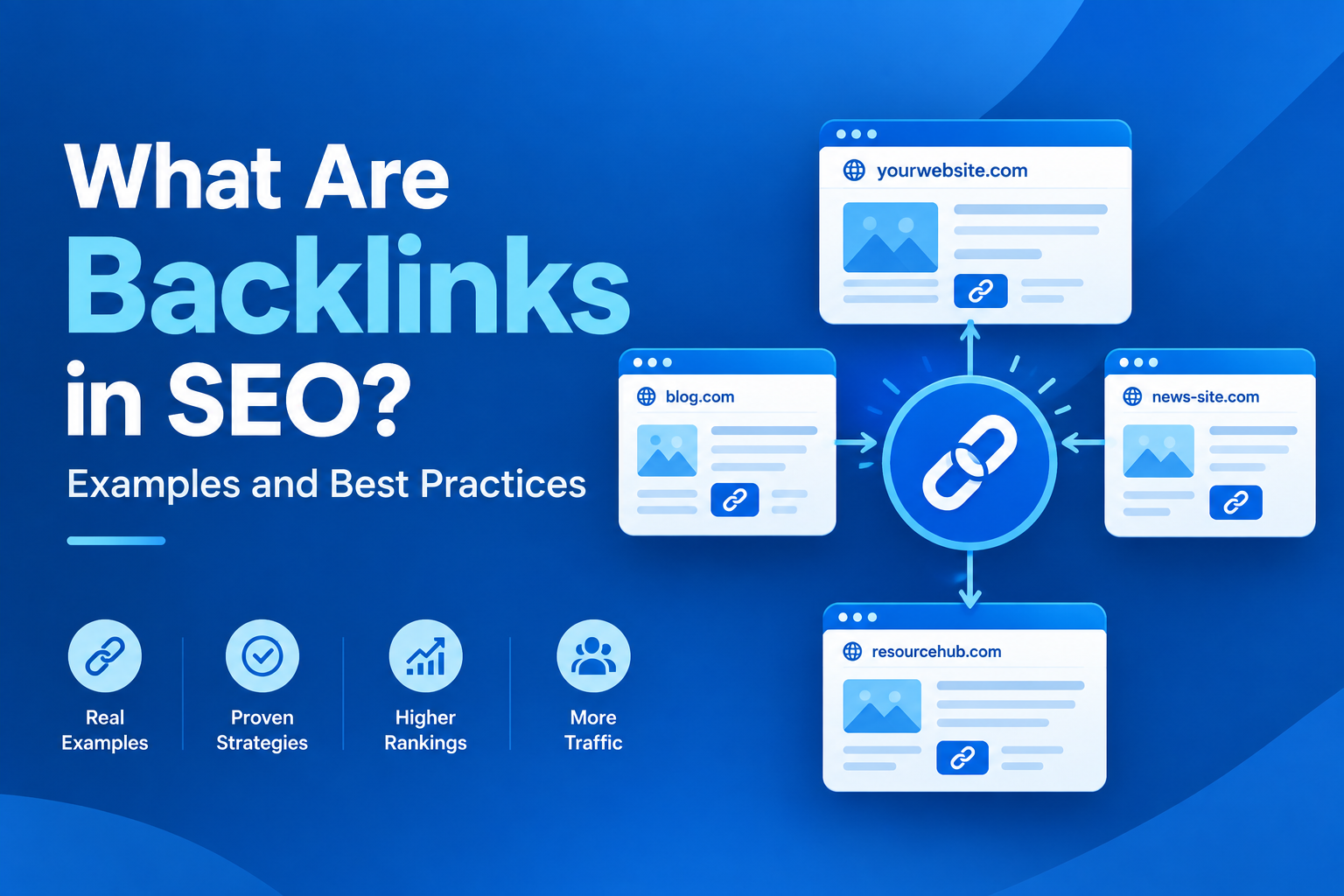
Have you ever wondered what is backlinks in seo example? Imagine a backlink as a high five from one website to another. When a site links to you, it tells Google that your content is helpful. In this full guide, we will break down everything you need to know about links, search rankings, and smart strategy.
A backlink is a link that goes from one website to another website. People also call them inbound links or incoming links. If a popular news site puts a link to your blog, you just got a backlink. Furthermore, search engines like Google look at these links to see if your site is trustworthy.
When other site owners link to your pages, they act like real votes of confidence. For example, if a pet blog links to your dog food site, readers can click that link to find you easily. Therefore, getting good links is one of the main goals of search engine optimization.
If you want to grow online, understanding what is backlinks in seo example is a great first step. Businesses often work with experts like webdesignindubai or use local seo services in dubai to set up strong sites that attract these organic links naturally.
Backlinks work like digital bridges on the internet. A user reads an article on Site A and sees a blue, underlined text link. When they click that link, it moves them directly to Site B. As a result, users find new information without typing a new address.
Search engines use smart computer programs called spiders or crawlers. These crawlers follow links from page to page across the web. Consequently, when a crawler finds a link on a strong website pointing to your page, it discovers your content much faster.
In addition, the link passes along search value, which helps your page look more important. This process helps Google understand how web pages connect to each other. Building these connections is a major part of any modern marketing strategy.
Backlinks are vital because they show Google that your site has quality information. If many popular websites link to your pages, Google thinks your content is valuable. Therefore, your pages have a much better chance of ranking near the top of search results.
In addition to better rankings, links bring real human visitors to your website. This is called referral traffic. When readers on another site click a link to your page, they become potential customers for your business. So, links help you win both search engines and real people.
Without incoming links, it is very hard for a site to get noticed online. Even if you write amazing blog posts, search engines need proof from other sites before they rank you high. Thus, links remain a primary pillar of online success.
Google is always exploring the web to index new pages. Crawlers follow links like roads on a map. When a popular site adds a link to your fresh article, Google finds your new page almost right away.
Once Google finds your page, it checks the link quality to decide where you should rank. Pages with strong links usually jump ahead of pages without links. As a result, you get more organic traffic without paying for ads.
Furthermore, links show Google what topic your page covers. If many technology blogs link to your page, Google quickly learns that you offer tech advice. This helps your page rank for the exact search terms your customers use daily.
Not all links are created equal in the eyes of search engines. Some links carry a lot of value, while others pass almost no weight at all. Understanding the different types helps you pick the best link strategies for your website goals.
For example, links can come from blog articles, news sites, local directories, or social networks. Some are placed naturally by editors, while others are created by users. Knowing which types to focus on will save you time and money.
As you plan your SEO, aim for links that build trust and bring real visitors. Let us look closer at how specific link types function and why they matter for your search strategy.
A DoFollow link tells search engines to follow the link and count it as a vote of trust. These are the normal links that pass valuable ranking power to your website. Therefore, getting DoFollow links is the main goal for most site owners.
On the other hand, a NoFollow link has a small tag that tells Google not to pass ranking power. You often find NoFollow links in blog comments, forum posts, and paid advertisements. However, NoFollow links can still bring lots of real traffic to your site.
Both types of links play an important role in a healthy link profile. A natural website has a realistic mix of DoFollow and NoFollow links. Having only DoFollow links can look unnatural to search engine algorithms.
Editorial backlinks are the best links you can get for your website. An editorial link happens when another writer links to your content simply because it is helpful. You do not have to pay or ask for these links; they happen naturally.
For instance, a journalist might quote your industry statistics and link back to your study. Because these links are earned through great content, search engines give them high trust. As a result, editorial links boost your rankings significantly.
To earn editorial links, you must create content worth talking about. You can publish research, share unique graphics, or offer expert insights. Over time, writers will discover your work and reference it in their own articles.
Guest post backlinks happen when you write an article for another website in your industry. In exchange for your free article, the site owner lets you include a link back to your site. This is a very common way to build early links.
When you guest post, make sure to choose high-quality sites that fit your niche. Writing for a site that has real readers will bring fresh visitors to your business. In addition, it helps you build strong relationships with other business owners.
However, avoid publishing low-quality guest posts on spam sites. Google penalizes websites that use automated tools to spam articles across hundreds of low-grade blogs. Always focus on helpful, human-written content that readers enjoy.
Business directory backlinks come from online list sites like Yelp, Yellow Pages, or local business profiles. These sites list your business name, phone number, address, and website URL. Setting up these profiles is an easy first step for any business.
These links show search engines that your business is real and active in your location. Additionally, potential clients use business directories every day to find local service providers. So, these links provide both SEO power and direct customer leads.
Make sure your business information is exact across every single directory. If your phone number or street address looks different on two sites, it can confuse both users and search crawlers. Keep your listings neat and updated.
Local SEO backlinks come from organizations, news outlets, and groups near your physical area. For instance, a link from your local Chamber of Commerce or a neighborhood news blog is a local backlink. These links prove that you serve a specific city.
Local links carry huge weight if you want to rank in map searches. When a user searches for services near them, Google checks which companies have strong local ties. Having links from nearby sources gives you a massive advantage over distant competitors.
You can earn local links by sponsoring community events, joining business groups, or partnering with nearby schools. These real-world connections naturally translate into valuable local links on the web.
Social media backlinks come from platforms like Facebook, X, LinkedIn, Pinterest, or Instagram. When you share your blog posts on social media, people click those links to visit your site. Most social media links use NoFollow tags by default.
Even though social links do not pass direct SEO ranking power, they are still very helpful. They spread your content fast, which helps more people see your work. Consequently, bloggers and journalists might find your content and give you editorial links later.
In short, social media creates buzz around your brand. A strong social presence drives immediate traffic and indirectly supports your overall SEO success. Keep sharing your helpful articles across your social channels regularly.
Image and infographic backlinks are created when other sites use your photos or visual graphics. Infographics present complex data in easy, visual ways that readers love to share. When a site embeds your graphic, they usually add a credit link to your page.
Creating custom graphics takes time, but the reward is huge. A single good infographic can earn dozens of natural links from top industry blogs. Make sure your graphics are clean, accurate, and simple to read.
If you notice another site using your original image without credit, send them a polite email. Ask them to add a link back to your source page. Most site owners are happy to add the credit link right away.
Forum backlinks come from online communities like Reddit, Quora, or specialized message boards. People visit forums to ask questions and share helpful advice on every topic imaginable. You can participate by providing clear answers and linking to your guides.
However, you must be careful not to spam community spaces. If you only post links without helping anyone, forum moderators will ban your account quickly. Always answer the question thoroughly first, then add your link as an extra resource.
While these links are usually NoFollow, they can drive steady referral traffic for months. Interested readers who click your forum link are already looking for your specific solution.
Natural backlinks grow organically when people love your content and share it freely. You do not buy them or trick anyone into placing them. Search engines love natural links because they reflect genuine human interest and real value.
Artificial backlinks are links you create deliberately to gaming search engine algorithms. Examples include buying cheap bulk links, using automated link farms, or trading links excessively. These tricks violate Google Webmaster Guidelines and can hurt your rankings.
Focus your energy on building natural, high-value links through great content and honest outreach. While artificial shortcuts sound tempting, they carry a high risk of penalties that can wipe out your web traffic.
To see how this works in the real world, consider what is backlinks in seo example for a local American company. Suppose a bakery in Chicago publishes a famous pie recipe online. A popular food magazine writes about Chicago desserts and links directly to the bakery’s recipe page.
That link acts as a clear backlink for the local bakery. Here is a breakdown of what that example looks like in practice:
| Source Site | Target Site | Link Purpose | Result |
| National Food Blog | Local Chicago Bakery | Cites Pie Recipe | Boosts Local Search Ranking |
| City Newspaper | Local Plumbing Company | Local Business Feature | Increases Referral Traffic |
| Tech Review Site | SaaS Software Startup | Reviews New App | Improves Brand Trust |
These examples show how real links connect everyday businesses to interested users across the web.
Not all links help your site equally. A single high-quality link from an established site is worth far more than hundreds of low-quality links. Search engines judge link quality based on trust, context, and relevance.
A great link comes from a respected site that covers topics similar to yours. In addition, it sits inside a main paragraph where real people can see and click it easily. It looks natural and helps the reader learn more.
When building links, always prioritize quality over quantity. Getting a few links from top industry sites will jumpstart your rankings much faster than accumulating junk links.
Relevance means the linking site matches your topic or industry. For example, if you own a car repair shop, a link from an auto news site is highly relevant. However, a link from a fashion blog would make little sense to Google.
Search engines expect your links to come from related spaces. Relevant links prove that real experts in your field value your knowledge. Therefore, relevant links carry maximum ranking power for your specific search keywords.
Before reaching out for a link, ask yourself if the connection makes sense for a human reader. If the link feels random or out of place, move on to a better site opportunity.
When checking potential link sources, site owners often look at third-party quality scores. You might ask what is domain authority in seo or what is pa and da in seo when studying these scores. Domain Authority (DA) and Page Authority (PA) are metrics created by Moz to predict how well a site will rank.
These scores run on a scale from 1 to 100. A higher number means the site has stronger link power and authority. While Google does not use DA directly, marketers use it as a quick benchmark for site quality.
A good website usually features high DA, unique content, active readers, and zero spam links. Getting links from high-DA sites can boost your own site’s search trust much faster.
Where a link lives on a webpage matters just as much as who gives it. Links placed directly inside the main body text of a helpful article are called contextual links. Search engines give these body links the highest value.
In contrast, links placed in website footers, sidebars, or site-wide navigation bars hold less weight. Google knows those areas are often used for ads or generic navigation. Therefore, footer links pass less ranking power.
Always aim to place your links within meaningful paragraphs. A contextual link surrounded by helpful, relevant text tells search engines that your content is directly tied to the topic being discussed.
Anchor text is the visible, clickable word or phrase that holds a hyperlink. For example, if the blue text says “fresh dog food,” those words are the anchor text. Search engines use anchor text to understand what the target page is about.
To follow best practices, use descriptive anchor text that sounds natural in the sentence. Avoid using generic phrases like “click here” or “read more” whenever possible. Descriptive text gives both users and search spiders helpful context.
However, do not over-optimize by using your exact target keyword as anchor text every single time. Having identical anchor text across all your links looks spammy to Google. Keep your anchor text diverse, natural, and easy to read.
There is no single magic number of links that guarantees a top ranking. The number of links you need depends entirely on your industry and competition. If your competitors have hundreds of great links, you will need a similar amount to beat them.
For local topics with low competition, you might only need ten or twenty solid links to reach page one. But for national terms like “credit cards,” top sites rely on thousands of high-powered links.
Instead of chasing an arbitrary number, focus on consistent growth over time. Steadily earning quality links every month shows Google that your business is continuously active and growing.
Building backlinks takes time, strategy, and clear communication. You cannot simply sit back and hope people stumble upon your pages. Active outreach and smart planning are essential for getting noticed in crowded markets.
Start by fixing your on-page content so it is truly helpful to readers. Then, reach out to industry partners, local sites, and bloggers who share similar interests. Offer them value first, and links will follow naturally.
Let us explore the most popular and effective link-building tactics used by professional search marketers today.
The absolute best way to win links is by creating link-worthy content, often called link bait. This is content so useful, funny, or deep that people naturally want to share it with their own readers.
Examples of link-worthy content include comprehensive ultimate guides, original market research, free online tools, and striking visual infographics. When you solve a real problem for people, they will gladly link to your site as a reference.
Before writing new content, search for top articles in your industry. Find out what they missed, and make your version bigger, better, and easier to read. Superior content naturally wins the link race over time.
Digital PR means sharing your company news, expert opinions, or unique stories with online reporters and media sites. Journalists are always hunting for credible sources and expert quotes for their upcoming articles.
You can use free platforms like Connectively (formerly HARO) to answer journalist requests directly. If a writer uses your expert tip, they will typically reward you with a brand mention and a valuable backlink.
In addition, track unlinked brand mentions on the web using Google Alerts. If an online publication mentions your business name without including a clickable link, send a friendly email asking them to add the link.
Guest posting remains a reliable strategy when executed correctly. Search for popular blogs in your industry that accept guest contributions. Reach out to the site editors with unique article ideas that benefit their audience.
When pitch emails sound personal and helpful, editors are happy to publish your articles. Inside your post, include a natural link back to a related guide on your own website. This helps both sets of readers discover more detail.
Remember to follow every site’s contribution rules carefully. Write high-quality content that matches their tone, and never use guest posting just to drop cheap spam links.
Building local citations is a must for any company serving a local community. Submit your business information to popular platforms like Google Business Profile, Bing Places, Apple Maps, and local search sites.
Beyond national directories, search for local business groups, city government sites, and local merchant associations. Joining these groups earns you clean, high-trust local links that reinforce your location signals.
Citations build a strong trust foundation for your entire SEO strategy. They prove your physical existence and help Google show your business to shoppers in your immediate neighborhood.
Broken link building is a clever win-win strategy. Many old websites have broken links that lead to 404 error pages because linked sites moved or closed down. You can help site owners fix these broken links while earning a new link for yourself.
Use free SEO tools or browser extensions to scan industry sites for broken outgoing links. When you find a dead link, check if you have a similar piece of content on your website.
Next, send a polite email to the site editor. Let them know about the broken link on their page, and offer your helpful article as a smooth replacement. Most site owners appreciate the free fix and happily add your link.
Resource pages are curated web pages that list helpful links, tools, and reading materials for a specific topic. For instance, a university page might list useful study guides for new students.
Search Google using terms like “industry + useful resources” or “topic + helpful links” to find these pages. Look through the lists to see if your content fits into their recommendations.
If your article adds real value to their list, email the site manager. Show them how your guide helps their visitors, and politely suggest adding your page as an extra resource.
Your top search competitors have already spent years building links. You can use competitor backlink analysis to reveal their strategies and copy their success. SEO software tools show you every website currently linking to your rivals.
Examine where your competitors get their best links. Do they write guest posts for specific blogs? Are they listed on major industry resource pages? Do they get cited by news sites?
Once you see what works for your competitors, pitch those same websites with your own superior content. This strategy saves time by targeting sites that are already proven to give out links.
Building links for U.S. local businesses requires a personal, community-focused touch. American consumers trust local brands that support their towns. Therefore, getting involved in real local events pays off online.
Sponsor local Little League teams, charity drives, or neighborhood festivals. Event pages often link back to all official corporate sponsors. In addition, connect with local news blogs and offer tips on regional events.
Partnering with adjacent local businesses is another smart move. For example, a local wedding photographer can exchange blog mentions with a nearby flower shop or venue. These authentic regional connections build powerful local link juice.
Starting a fresh website is exciting, but new domains begin with zero trust from Google. For new websites, your first goal is building a solid base of foundational links to show you are real and trustworthy.
Begin by setting up all your official social media profiles and major business directory listings. Next, reach out to personal business contacts, suppliers, and friends for early link opportunities.
Once your basic profiles are set up, start publishing high-value blog content regularly. Combine great content with simple outreach strategies like guest blogging to earn your first dozen natural editorial links.
Small businesses often operate with limited marketing budgets, making creative link building essential. Fortunately, you do not need thousands of dollars to build great links. Focus on your unique industry knowledge and local story.
Offer your products or services to local influencers for an honest review and blog feature. Share your business startup journey with local podcasts or entrepreneur blogs looking for interview guests.
Networking plays a massive role for small companies. Connect with other local founders, join regional business alliances, and cross-promote each other online. Helpful partnerships build lasting links and boost real sales.
Patience is required when building backlinks for SEO. Links do not change your rankings overnight. It takes time for search engine crawlers to discover new links and update search indexes.
Generally, you will start seeing initial ranking movements within 3 to 10 weeks after a new backlink is indexed. For highly competitive keywords, full results might take 3 to 6 months of continuous link growth.
SEO is a long-term compound strategy. Keep building high-quality links steadily month after month. Over time, your accumulated domain power will help new pages rank much faster than before.
Monitoring your link profile is vital for maintaining good site health. You can use free tools like Google Search Console to see a list of websites currently linking to your pages. Simply open Search Console and navigate to the “Links” tab.
For deeper analysis, commercial tools like Ahrefs, Semrush, or Moz offer detailed backlink auditing features. These platforms show new links, lost links, anchor text distribution, and authority metrics.
Check your backlink profile at least once a month. Tracking your links helps you celebrate wins, identify top-performing content, and spot suspicious spam attacks before they cause real ranking damage.
Many site owners accidentally hurt their SEO by falling into common link traps. The biggest mistake is buying thousands of cheap, automated links from sketchy seller sites. Search engines quickly catch these schemes and penalize the domain.
Another major mistake is over-optimizing your anchor text with identical commercial keywords. In addition, avoid joining massive reciprocal link schemes where sites exchange low-quality links purely to game search systems.
Always keep your link-building tactics clean, human, and focused on genuine user value. Avoiding risky shortcuts keeps your site safe from Google search updates and algorithmic penalties.
Straightforward paid backlinks that pass SEO ranking power directly violate Google’s Webmaster Guidelines. If search engines detect that you paid another site to place a DoFollow link, your site can lose its rankings.
However, paid promotional opportunities like sponsored posts are totally safe if tagged correctly. Sponsored links should always use the rel=”sponsored” or rel=”nofollow” tags to inform search engines of the paid relationship.
Instead of paying directly for DoFollow links, invest your budget into digital PR, original research, and content creation. Earning links through real value is always safer and more cost-effective long-term.
Toxic backlinks are low-quality, spammy links coming from dangerous, hacked, or irrelevant websites. Examples include adult spam sites, foreign link networks, and automated comment spam. Having too many toxic links can harm your site reputation.
Sometimes, unethical competitors direct spam links toward your domain to drop your rankings. This bad practice is known as negative SEO. Fortunately, modern search algorithms are smart enough to ignore most random spam links automatically.
However, if you see a sudden wave of toxic links hurting your site metrics, you should take action. Cleaning up your incoming link profile protects your brand trust and keeps your search traffic steady.
If you discover spammy links pointing to your site, your first step is asking the linking site owners to remove them. Send a quick, polite email asking the webmaster to delete the link from their page.
If webmasters ignore your request, you can use Google’s disavow tool. So, what is disavow in seo? Disavowing is a formal process where you upload a text file telling Google to ignore specific bad links pointing to your site.
Google advises site owners to use the disavow tool with extreme caution. Only disavow links if you have a huge number of spammy links or an active manual penalty. Disavowing good links by mistake can drop your rankings.
As search algorithms evolve, link building in 2026 demands authenticity, expert authoritativeness, and deep relevance. Artificial intelligence makes automated spam easy to create, so search engines now reward human expertise more than ever.
Focus on building real brand authority across your entire industry. Create deep, original guides that AI generators cannot replicate, such as unique hands-on product tests, real customer studies, and expert interviews.
Furthermore, make sure your site offers a great overall experience. Fast loading speeds, clean designs, and clear mobile layouts keep users on your pages once backlinks send them your way.
Understanding what is backlinks in seo example gives you the knowledge needed to grow your website authority. Backlinks remain one of the strongest ranking factors for modern search engines like Google.
Focus your long-term efforts on creating amazing, user-helpful content that people want to share. Combine top-tier content with honest outreach, local citations, and active digital networking. Avoid cheap link shortcuts that put your online reputation at risk.
By steadily building high-quality, relevant links month after month, your business will enjoy higher search rankings, fresh referral visitors, and long-term digital success. Stay consistent, stay helpful, and watch your website authority soar.
Fixed price, in writing
Got it. Your quote is being written now.
In business hours you will have it within 45 minutes. Check your inbox for the confirmation.
Keep reading

If a CEO opens your site on an iPhone while sitting in a Sheikh Zayed Road traffic jam and the text looks tiny or…
Read the guide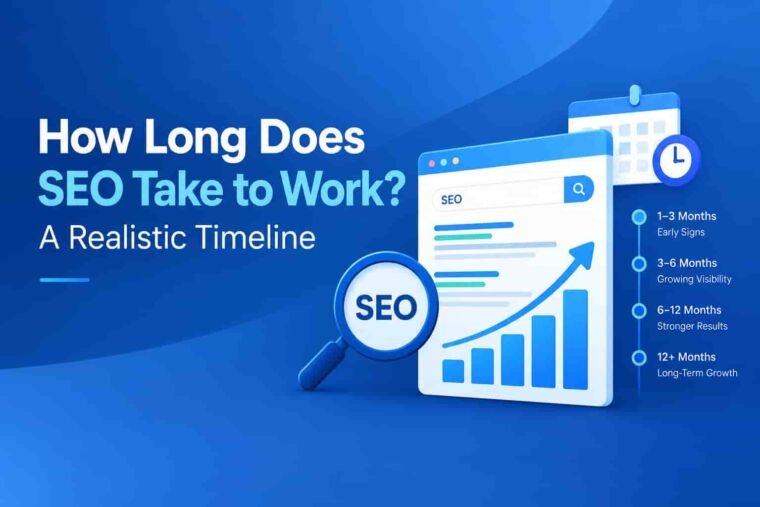
Understanding how search engine optimization operates helps you plan your business growth effectively. Many business owners ask how long does seo take to show…
Read the guide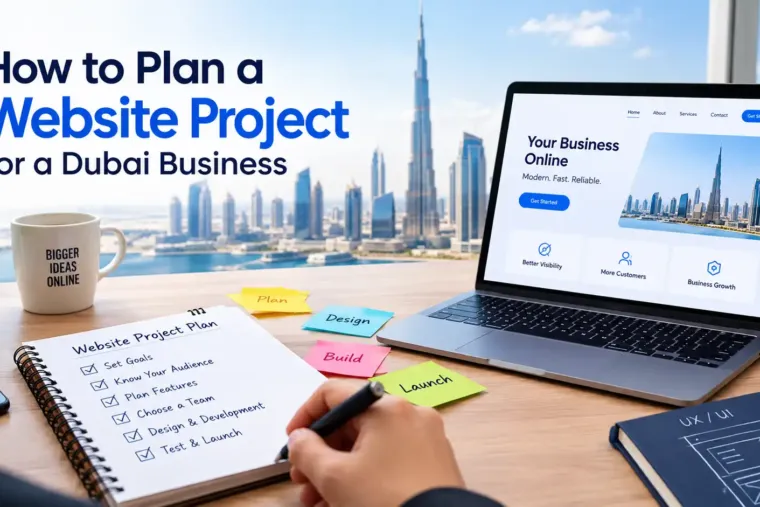
Planning a website project in Dubai requires clear direction and local market awareness. Every company needs a strong online footprint to win customers. Choosing…
Read the guide